Blog
Graviron Aerospace Introduces Orbit Keeper, a Standardized Platform for Orbital Computing and Hosted Payloads

April 2026
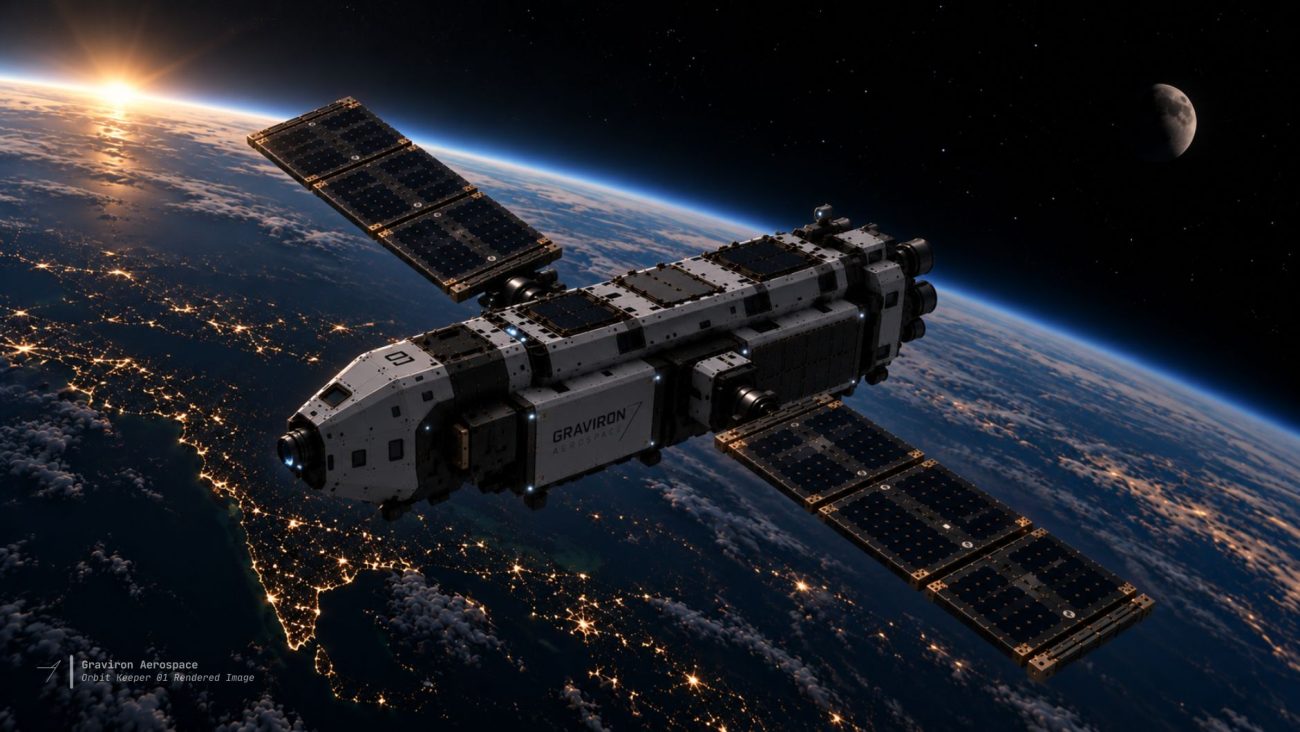
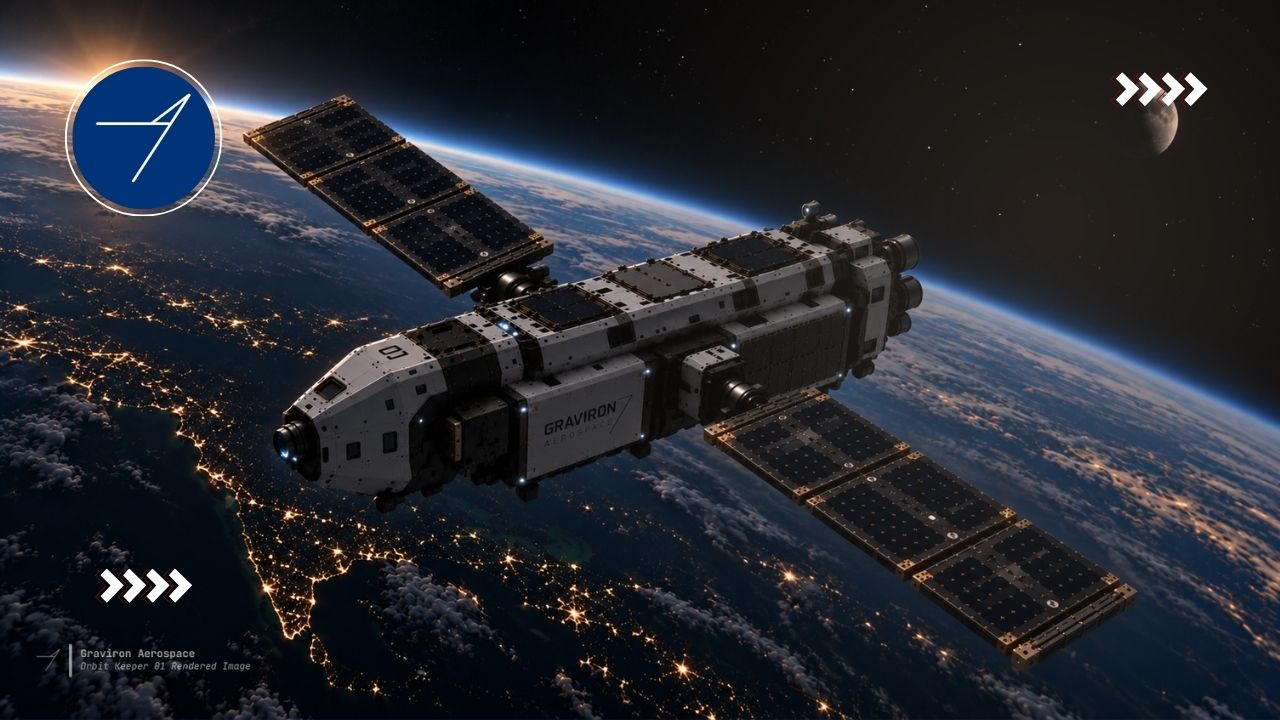
Graviron Aerospace introduces Orbit Keeper, a family of standardized orbital platforms being developed to provide hosted payload and orbital computing services in Low Earth Orbit (LEO).
Orbit Keeper is the foundation of Graviron’s strategy to build a fleet of satellites that gives commercial customers access to orbital capabilities without requiring them to develop and operate an entire spacecraft themselves.
As commercial activity in space expands, access to orbital infrastructure is becoming increasingly important. Companies are developing new instruments, sensors, experiments, software, and computing applications that can benefit from operating in orbit. Yet developing a dedicated satellite for every application can require substantial engineering, integration, launch, and operational resources.
Graviron is developing Orbit Keeper to address this challenge through a standardized platform approach.
One Platform Family. Multiple Ways to Access Orbit.
Orbit Keeper is designed around a fleet-based model rather than one-off spacecraft development for individual customers. Its standardized architecture is intended to provide defined payload interfaces and resource allocations, enabling compatible customer hardware and software to operate within established platform configurations.
The approach allows customers to focus on their payloads, software, and mission objectives while Graviron develops and operates the supporting spacecraft.
Orbit Keeper’s initial commercial focus comprises two services: Hosted Payload and Orbital Computing.
Hosted Payload enables customers to fly compatible hardware aboard an Orbit Keeper satellite without developing an entire spacecraft around their mission.
Orbital Computing
Computing Beyond Earth.
Graviron is developing orbital computing capabilities that bring computing workloads into space. Through Orbit Keeper, we aim to make computing resources available for applications that can benefit from operating in orbit, expanding how and where computational workloads can be deployed.
Over the longer term, space-based computing could offer an additional approach to meeting growing computational demand, with the potential to reduce reliance on some terrestrial resources for suitable workloads. Our immediate focus is developing the orbital platform and computing capabilities needed to establish this service.
These services form the foundation of Graviron’s initial commercial offering.
Orbit Keeper 01: The First Platform
The first spacecraft in the program is Orbit Keeper 01, beginning with its Vector configuration.
Vector is being developed for commercial operations in Low Earth Orbit, with a focus on hosting customer payloads and supporting orbital computing capabilities. Its standardized platform architecture is intended to accommodate compatible customer hardware and software within defined technical and operational constraints.
Rather than developing a bespoke spacecraft for each customer, Graviron’s approach is to establish a repeatable platform that can serve multiple customers and support fleet expansion over time.
The first commercial Orbit Keeper 01 mission is targeted for Q2 2028. The mission is planned to carry commercial customer payloads and support orbital computing activities.
Beginning in late 2028, Graviron plans to focus on fleet development, using experience gained through orbital operations to inform subsequent development and expansion.
Designed for Fleet Development
A scalable orbital service requires more than an individual spacecraft. It requires a platform architecture that can be developed, manufactured, integrated, and operated repeatedly.
Orbit Keeper is being developed around standardized configurations, defined customer interfaces, and repeatable spacecraft architecture. Different configurations can serve different mission requirements while retaining the broader platform philosophy.
Graviron’s initial focus is Orbit Keeper 01 Vector. Future configurations, including Horizon and Zenith, are intended to expand the platform family’s capabilities. Their final specifications and orbital assignments will depend on subsequent development.
The objective is to build a fleet capable of supporting a growing range of commercial orbital services without treating every customer mission as an entirely new spacecraft-development program.
Looking Beyond the First Mission
Orbit Keeper 01 is the starting point for Graviron’s broader ambitions in orbital infrastructure.
As the company develops its fleet and gains operational experience, its longer-term vision includes expanding orbital capabilities beyond Low Earth Orbit. Potential future directions include infrastructure supporting lunar communications and deep-space networking.
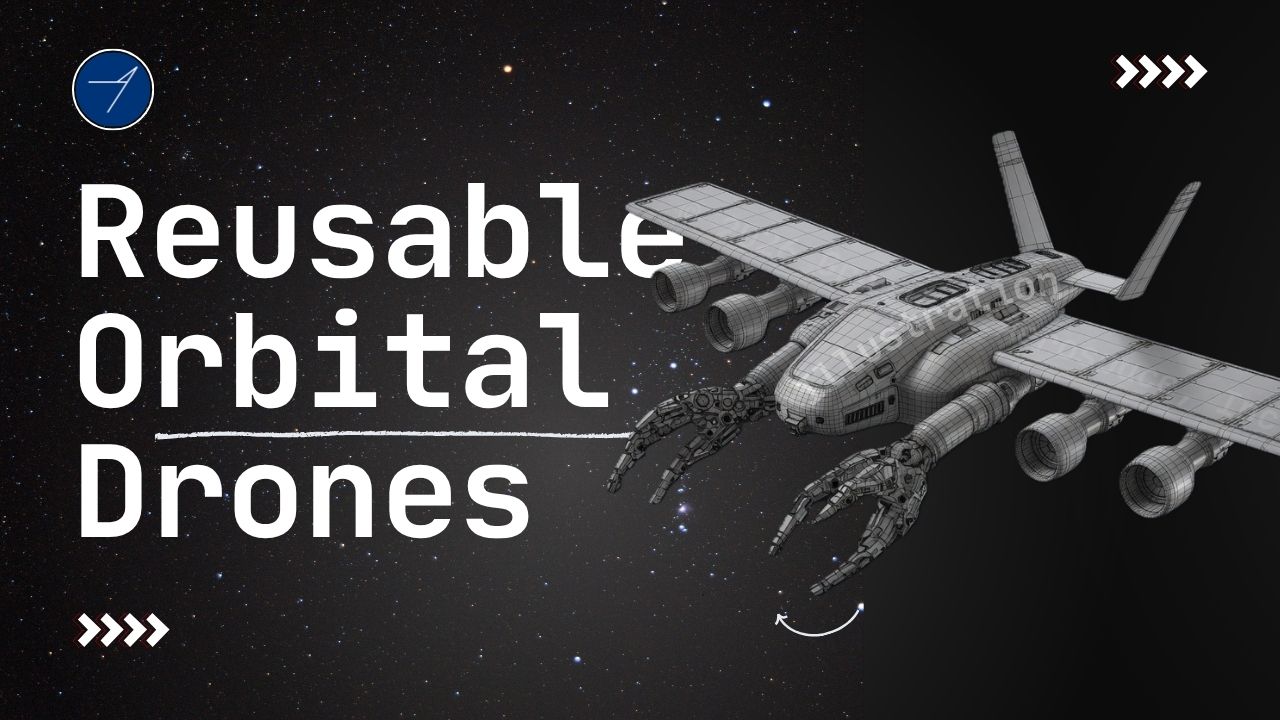
Graviron also views reusable orbital vehicles as a longer-term area of development. This represents a separate future technical capability within the company’s broader vision, rather than a defining characteristic of Orbit Keeper 01 Vector.
For now, the priority is clear: develop the first Orbit Keeper platform, deliver its initial commercial mission, and establish the foundation for a standardized fleet serving hosted-payload and orbital-computing customers.
Future updates regarding spacecraft development, customer engagements, mission milestones, and fleet expansion will be shared through the Graviron Aerospace newsroom.
About Orbit Keeper
Orbit Keeper is Graviron Aerospace’s family of standardized orbital platforms being developed to provide hosted payload and orbital computing services. Beginning with Orbit Keeper 01 Vector, the program is designed around repeatable spacecraft configurations and defined customer interfaces, with fleet development planned following the first commercial mission.
About Graviron Aerospace
Graviron Aerospace is a space logistics company building a fleet of standardized Orbit Keeper satellites to provide hosted payload and orbital computing services in Low Earth Orbit. The company’s first commercial mission is targeted for Q2 2028, followed by a planned focus on fleet development from late 2028.
Graviron Aerospace, Inc.