
Building the Future of
Computing Beyond Earth.
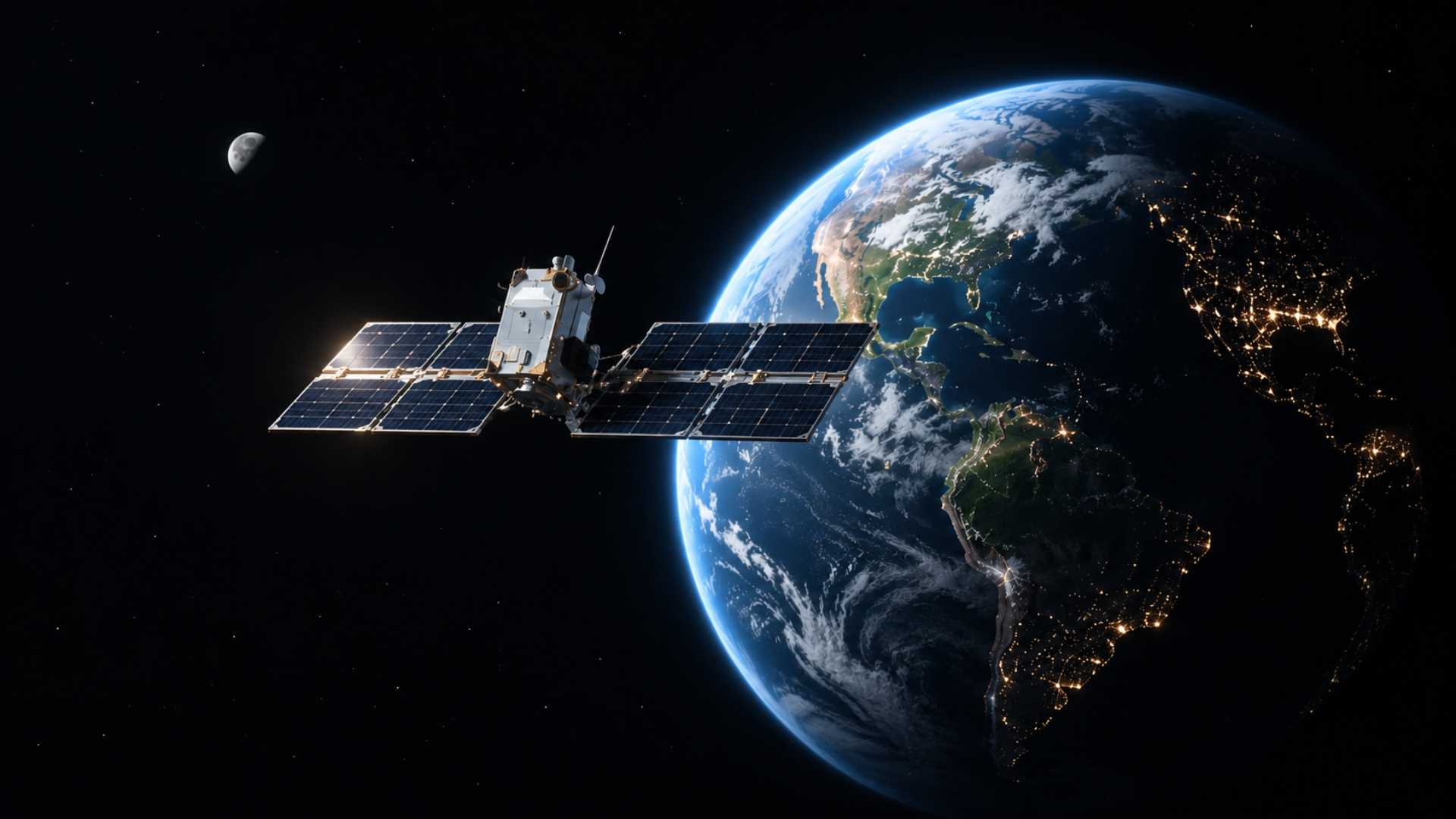
Graviron Aerospace is developing distributed data centers in orbit, designed to bring AI and other compute-intensive workloads into space through a growing network of standardized orbital platforms.
Our long-term roadmap extends toward orbital infrastructure for lunar communications and deep-space networking.
It Started With a Different Perspective on Space.
Graviron Aerospace emerged from the ambition to explore how space could become more than a destination for satellites and spacecraft. As computing demands continue to grow, we see an opportunity to extend the infrastructure supporting the digital world beyond Earth's surface.
That perspective became the foundation of Graviron's direction: developing distributed data centers in orbit through a growing network of standardized spacecraft. What began as an ambition to rethink where computing infrastructure could exist is now taking shape through the Orbit Keeper program.
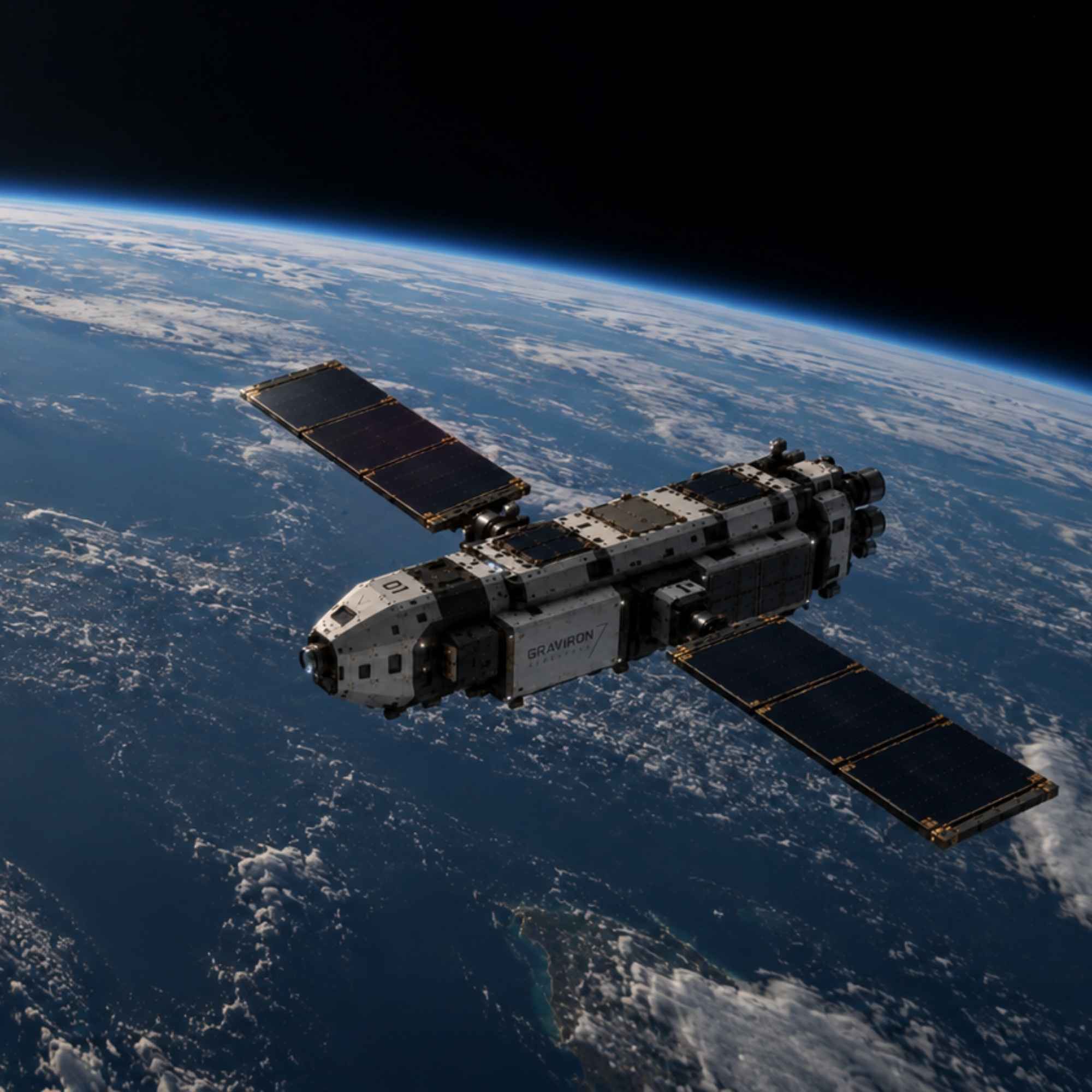
The Future of Computing Doesn't Have to Be Limited to Earth.
The world is becoming increasingly dependent on computing. Artificial intelligence, scientific research, cloud services, and emerging technologies are driving demand for greater computing capacity. But expanding data center infrastructure on Earth brings growing demands for electricity, land, cooling, and supporting infrastructure.
We believe space presents an opportunity to explore a different approach.
By harnessing solar energy in orbit and developing systems that dissipate heat through radiative cooling, orbital data centers could introduce new possibilities for computing infrastructure. Through a distributed network of standardized spacecraft, Graviron aims to develop this emerging capability and contribute to the next generation of computing beyond Earth.
The Future of Computing Needs More Infrastructure.
As AI and digital technologies accelerate, global demand for computing capacity and electricity continues to grow. Graviron is exploring the potential of distributed data centers in orbit as a new approach to future computing infrastructure.
485 TWh
Global Data Center Energy Consumption
Estimated worldwide electricity consumption by data centers in 2025.
950 TWh
Projected Energy Demand
Expected global data-center electricity consumption by 2030, according to the IEA's central projection.
17%
Annual Energy Demand Growth
Growth in global data-center electricity consumption during 2025.
1,361 W/m²
Solar Irradiance in Space
Approximate solar power received per square metre near Earth, before conversion losses.
Why Graviron?
The name Graviron combines two words: Gravity and Iron. One represents a fundamental force governing the cosmos; the other represents a material that helped transform human civilization through engineering and industry.
> Gravity
The force that shapes the cosmos.
Gravity governs the motion of planets, holds planetary systems together, and plays a central role in the formation of stars and galaxies. It represents the physical foundation of our work in space.
> IRON
The material that helped build civilization.
Ironworking marked a major turning point in human technological development. Iron tools and, later, steel enabled advances in agriculture, construction, manufacturing, and infrastructure. It represents engineering, strength, and the ability to turn ideas into physical systems.
From Fundamental Forces to Human Engineering.
Graviron brings these two ideas together: an understanding of the forces that govern the universe and the engineering ambition to build within it.
Today, that ambition begins with orbital platforms for hosted payloads and orbital computing. Our long-term vision is to expand the infrastructure available for operations in space, extending toward lunar communications and deep-space networking.
From development to orbit.
Graviron is advancing Orbit Keeper 01 Vector toward its first commercial mission, targeted for Q2 2028. Following the mission, the company plans to expand its Orbit Keeper fleet and progressively develop its distributed data-center network.
From development to orbit.
Graviron is advancing Orbit Keeper 01 Vector toward its first commercial mission, targeted for Q2 2028. Following the mission, the company plans to expand its Orbit Keeper fleet and progressively develop its distributed data-center network.
Development Timeline
Platform Development
Advancing spacecraft architecture, computing systems, subsystem development, and ground testing.
First Commercial Mission
Targeted first commercial flight of Orbit Keeper 01 Vector, carrying customer payloads alongside Graviron's onboard computing capability.
Fleet Development
Begin developing additional Orbit Keeper satellites, expanding orbital computing capacity and growing the distributed data-center network.
Building Infrastructure for a Future Beyond Earth.
Our ambitions extend beyond establishing data centers in Low Earth Orbit. We envision a future in which space-based infrastructure can support a wider range of activities throughout the space environment.
As our capabilities evolve, we aim to explore opportunities in lunar communications, deep-space networking, and the development of infrastructure that can support future missions beyond Earth.
We see the growth of space infrastructure as a gradual process — beginning with orbital computing and expanding toward a more connected and capable space environment. Graviron's long-term vision is to contribute to that evolution.
Orbital Infrastructure
Establishing a distributed network of orbital data centers in Low Earth Orbit, creating a foundation for space-based computing capacity that can expand through successive spacecraft deployments and support the growing demand for AI and other compute-intensive workloads.
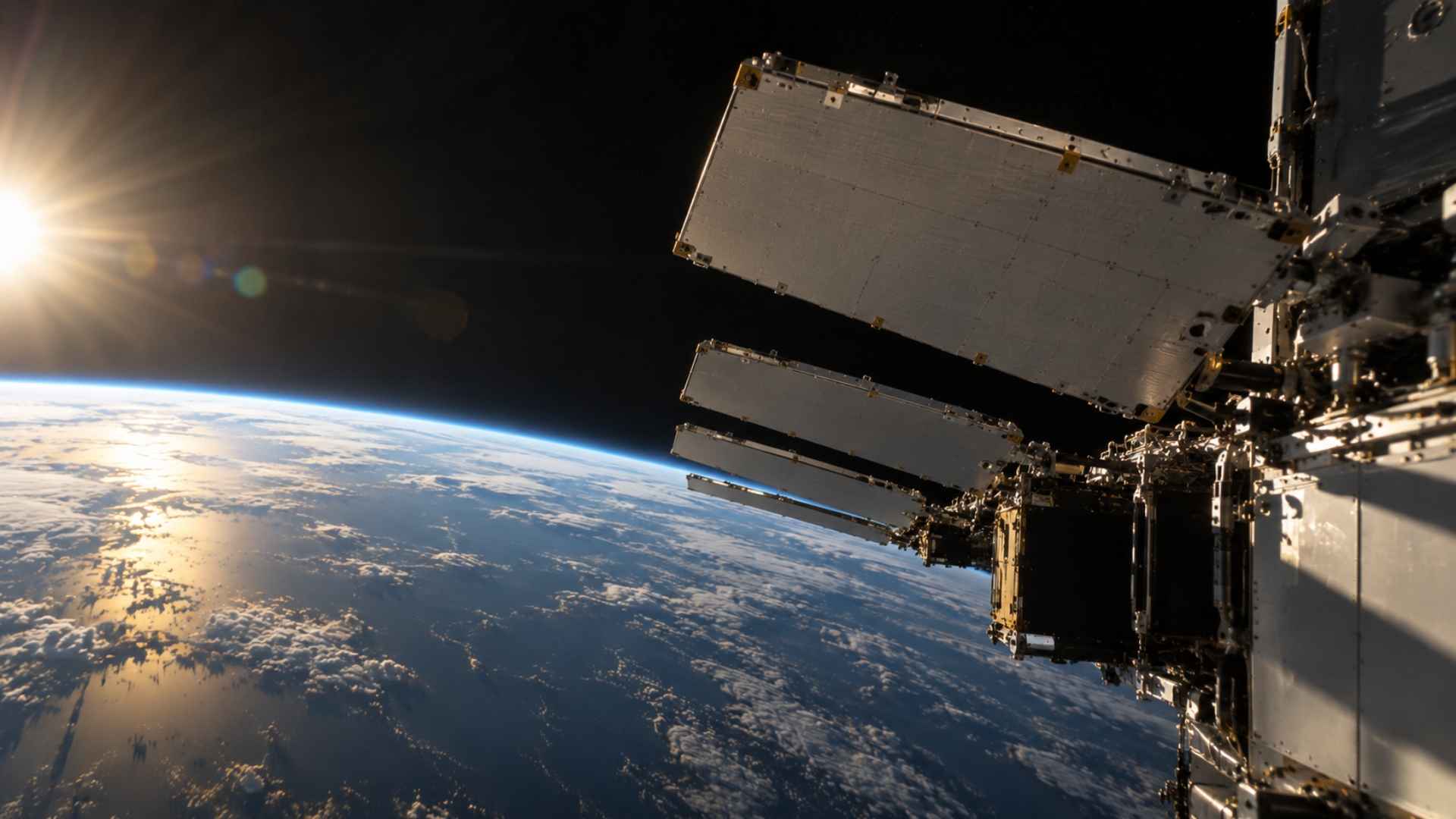
Lunar Communications
Exploring future communications infrastructure around the Moon to support connectivity between lunar missions, orbiting spacecraft, surface operations, and Earth. We see lunar networking as an important part of enabling more connected and sustained activities beyond our planet.
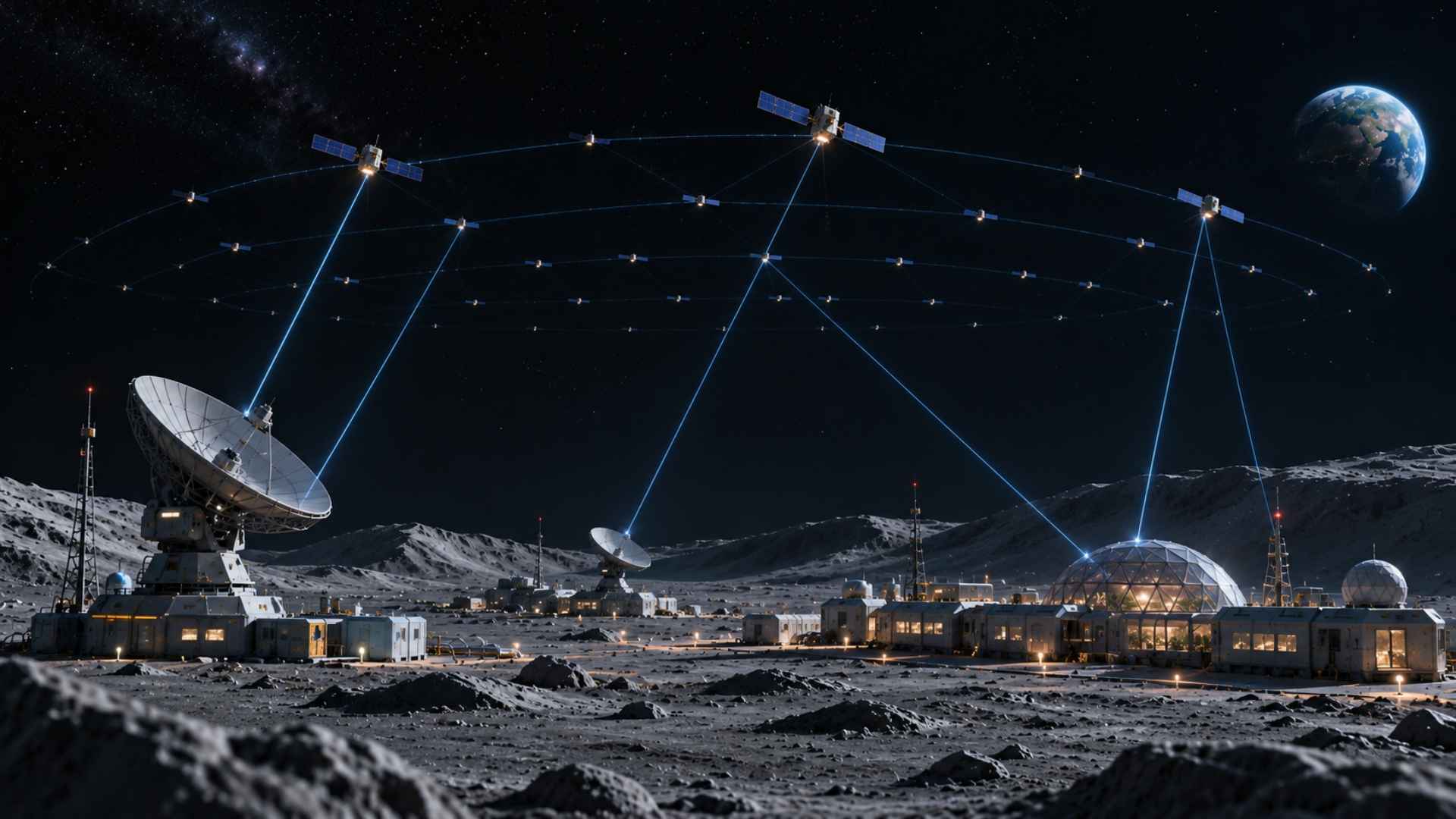
Deep-Space Networking
Looking toward communications and networking infrastructure that could support missions operating farther into the Solar System. Our long-term vision includes exploring technologies and network architectures that help spacecraft, scientific missions, and future space infrastructure exchange information across greater distances.
Frequently Asked Questions
Answers to the questions we hear most often from customers, partners, investors, and potential future team members.
What is Graviron Aerospace?
Graviron Aerospace is an orbital data center company developing distributed data centers in orbit. Through its Orbit Keeper spacecraft platform, the company aims to establish a growing network of orbital computing nodes designed to support AI and other compute-intensive workloads.
Why is Graviron developing data centers in orbit?
We believe space presents an opportunity to explore alternative approaches to computing infrastructure. Access to solar energy and the potential for radiative heat rejection make orbit an interesting environment for future data-center development, although significant engineering and economic challenges remain.
What is the Orbit Keeper 01?
Orbit Keeper 01 is Graviron’s standardized spacecraft platform and the foundation of its planned orbital data-center network. Its spacecraft are being developed to accommodate onboard computing capabilities, with additional hosted-payload opportunities.
Is Graviron currently operating data centers in space?
No. Graviron is currently developing its orbital infrastructure and the initial Orbit Keeper spacecraft. Its first commercial mission is targeted for Q2 2028.
What makes Graviron's approach different?
Our approach focuses on standardized spacecraft platforms and distributed network expansion. Rather than depending on a single large orbital facility, we intend to increase computing capacity through successive spacecraft deployments, allowing the network to develop incrementally.
Does Graviron offer services beyond orbital computing?
Yes. Graviron is also developing hosted-payload services, allowing customers to operate compatible instruments, sensors, and other hardware aboard Orbit Keeper spacecraft without developing an entire satellite. This is a separate commercial offering from orbital computing.
What are Graviron's long-term ambitions?
Our long-term vision extends beyond Low Earth Orbit. We aim to explore opportunities in lunar communications, deep-space networking, and other space-based infrastructure as our capabilities evolve.