Blog
Why Space Commerce Certification Matters for the Future of Space Logistics

For decades, commercial space has been defined by one milestone after another: reusable launch vehicles, lower launch costs, and the rapid expansion of satellite constellations. Those achievements transformed access to orbit. The next chapter, however, won’t simply be about reaching space — it will be about operating there.
Satellite servicing, orbital logistics, reusable in-space vehicles, manufacturing beyond Earth, and eventually resource utilization will require more than breakthrough engineering. They also require a regulatory environment that evolves alongside innovation.
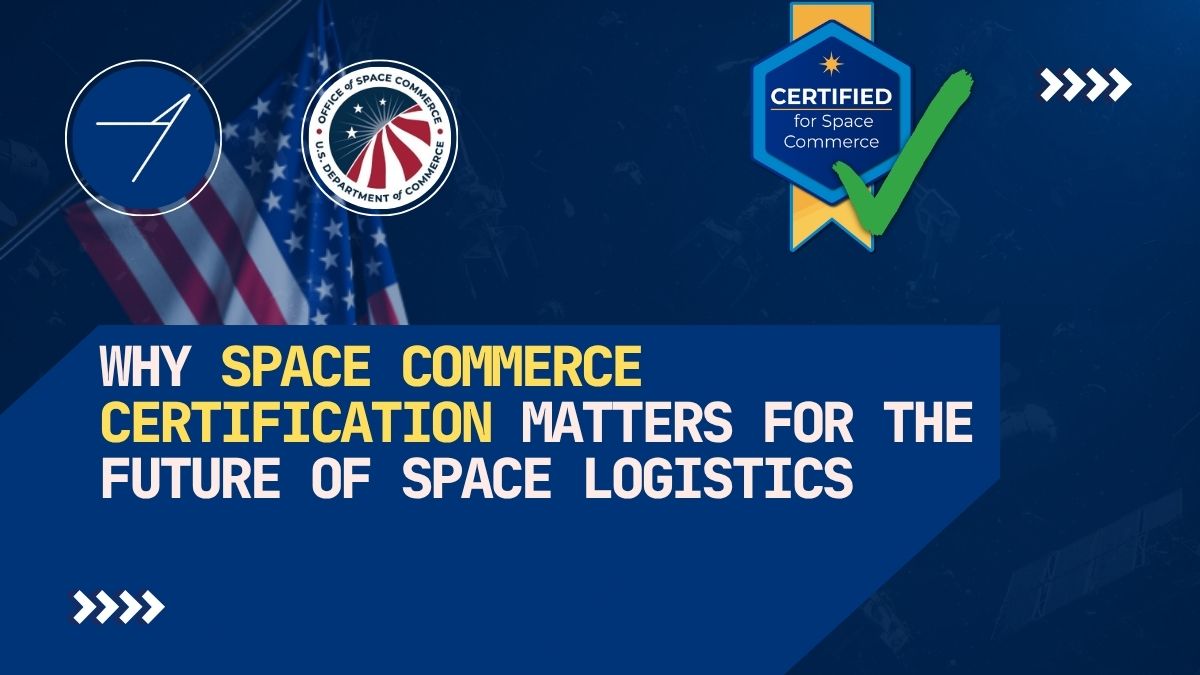
That is why the U.S. Office of Space Commerce’s proposed Space Commerce Certification framework stands out as one of the most significant policy developments for the commercial space industry this year. The proposal aims to streamline how novel commercial space activities are reviewed by creating a coordinated mission authorization process rather than leaving companies to navigate multiple agencies independently. While existing authorities such as the FAA and FCC would remain in place, the proposal introduces a more predictable pathway for emerging mission profiles.
For companies building technologies that do not fit neatly within today’s regulatory structure, predictability matters.
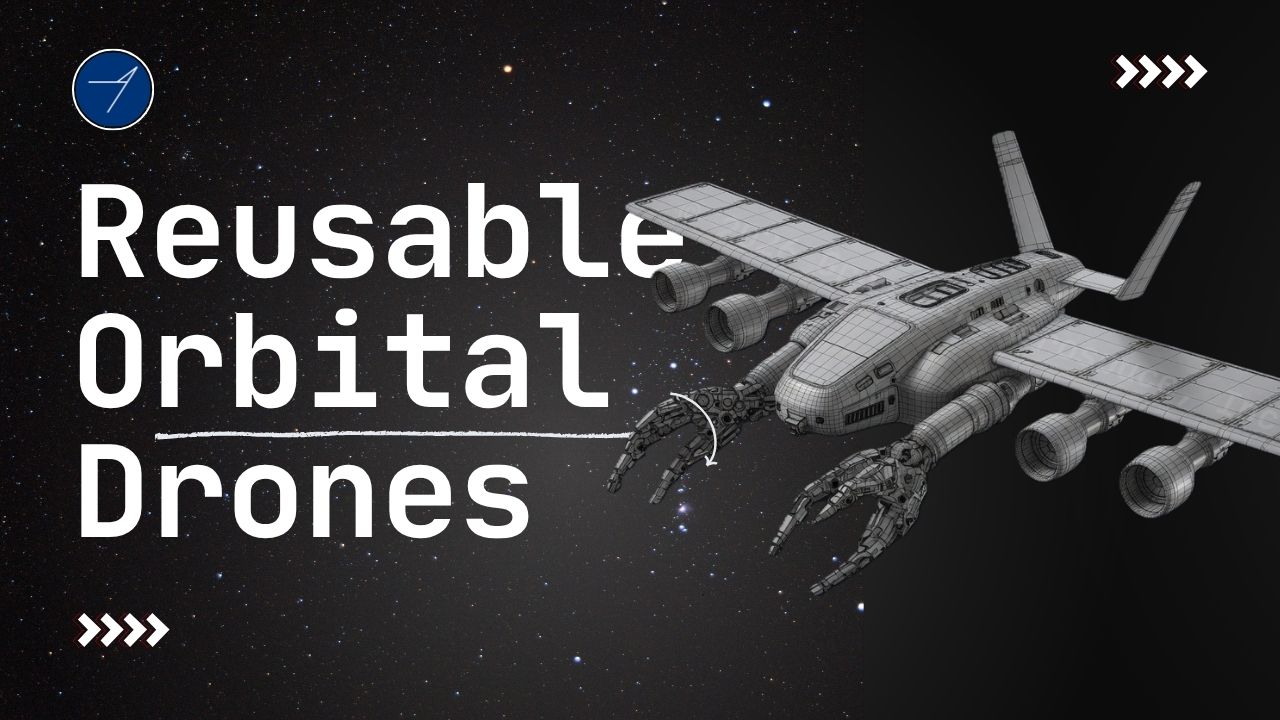
At Graviron Aerospace, we’re building reusable orbital vehicles designed to support the next generation of space logistics — beginning with satellite inspection, servicing, and orbital operations, while laying the foundation for a future that includes in-space manufacturing, commercial orbital infrastructure, and ultimately resource utilization beyond Earth.
Those ambitions will not be realized by engineering alone.
As commercial activity expands from launch into sustained operations in orbit, the industry will benefit from regulatory frameworks that encourage innovation while maintaining safety, transparency, and international responsibility.
The proposed Space Commerce Certification framework reflects that direction.
From our perspective, one of the most encouraging aspects of the proposal is its effort to coordinate reviews across government agencies through a more unified process. As commercial missions become increasingly sophisticated, reducing unnecessary regulatory complexity can help innovative companies focus more of their time on building technologies that expand humanity’s capabilities in space.
At Graviron, our team is closely reviewing the proposal and evaluating how it could support the long-term development of reusable orbital servicing vehicles and commercial space logistics infrastructure. We believe that companies building the future of the industry also have a responsibility to understand the policy environment that will shape it.
Innovation and regulation should not exist in separate conversations. They should evolve together.
That is why we intend to participate constructively in public consultation opportunities, share practical perspectives where appropriate, and continue engaging with initiatives that strengthen the commercial space ecosystem. We believe startups should contribute alongside established aerospace organizations by offering technical insight rooted in the realities of building new capabilities.
Looking further ahead, the commercial space economy will extend well beyond satellites. Orbital servicing will enable longer spacecraft lifetimes. Space logistics will connect assets across Earth orbit and beyond. In-space manufacturing will unlock production environments impossible on Earth. Asteroid resource utilization, while still a long-term vision, will depend on reliable transportation, servicing, and logistics infrastructure developed over many years.
Each of these capabilities builds upon the last. Our mission at Graviron is to help build that foundation.
The future of commercial space will not be defined by a single launch or a single spacecraft. It will be built through thousands of missions operating safely, efficiently, and sustainably in orbit. Achieving that future will require visionary engineering, responsible policy, and continuous collaboration across industry and government.
We are excited to see this conversation moving forward, and we’ll continue following the evolution of Space Commerce Certification as the framework develops.
The Team, Graviron Aerospace, Inc.