
Build Payloads
not Satellites
Operate compatible instruments, sensors, and other hardware in Low Earth Orbit through Graviron's standardized Orbit Keeper platform, without developing and operating an entire spacecraft.
- Program Status: In Development
- Reference Orbit: Low Earth Orbit
- First Mission: Q2 2028
Access Orbit Without Building a Satellite
Getting hardware into orbit doesn't have to mean developing an entire spacecraft. Through Graviron's hosted payload service, customers can operate compatible instruments and hardware aboard Orbit Keeper satellites while using the spacecraft's shared resources.
Focus on Your Payload
Concentrate on developing your instrument, technology, or experiment while Graviron provides the host spacecraft platform.
Share Spacecraft Resources
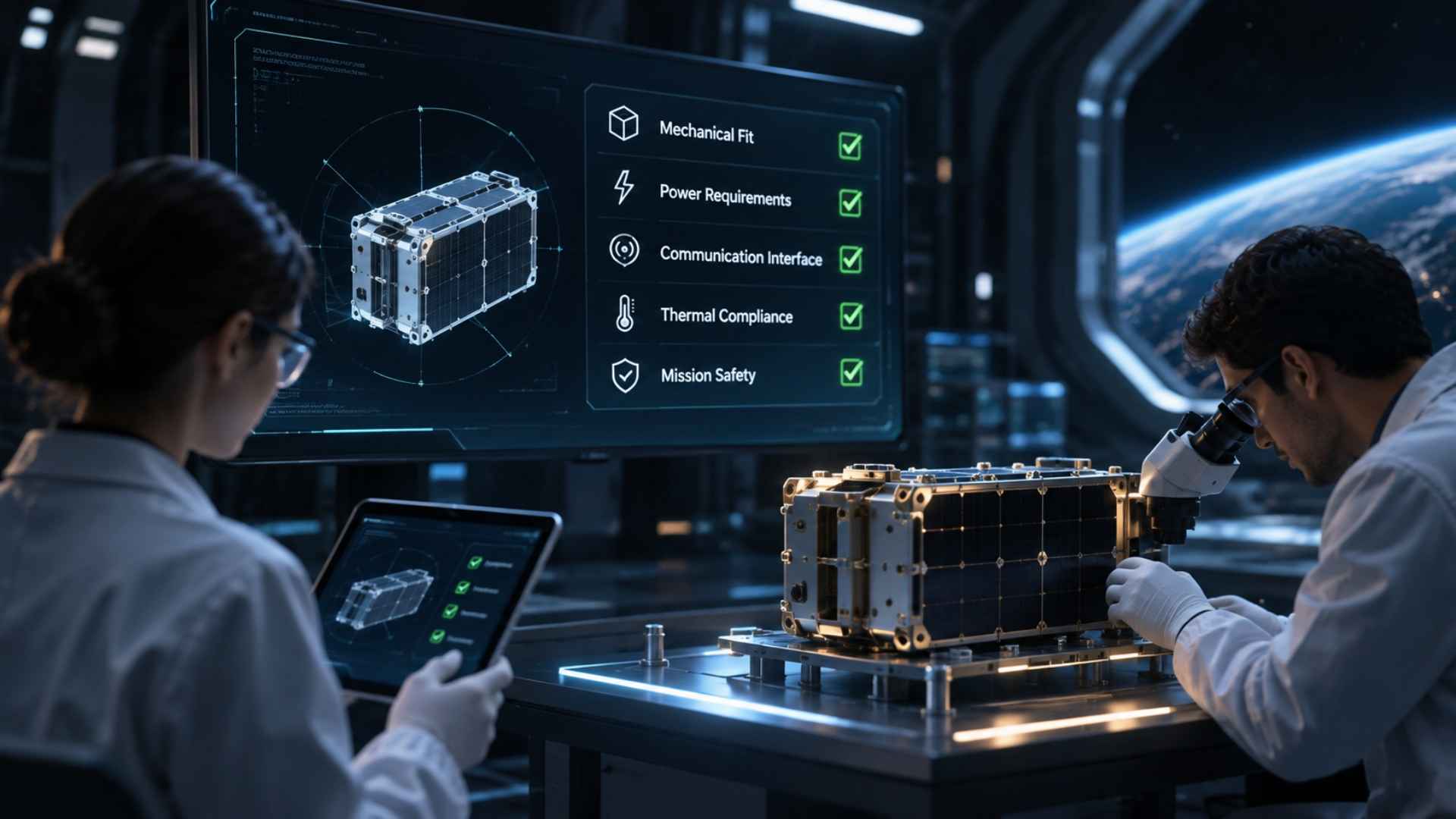
Access agreed spacecraft resources, including electrical power, thermal management, communications, and payload accommodation without developing a complete satellite bus.
Simplify Access to Orbit
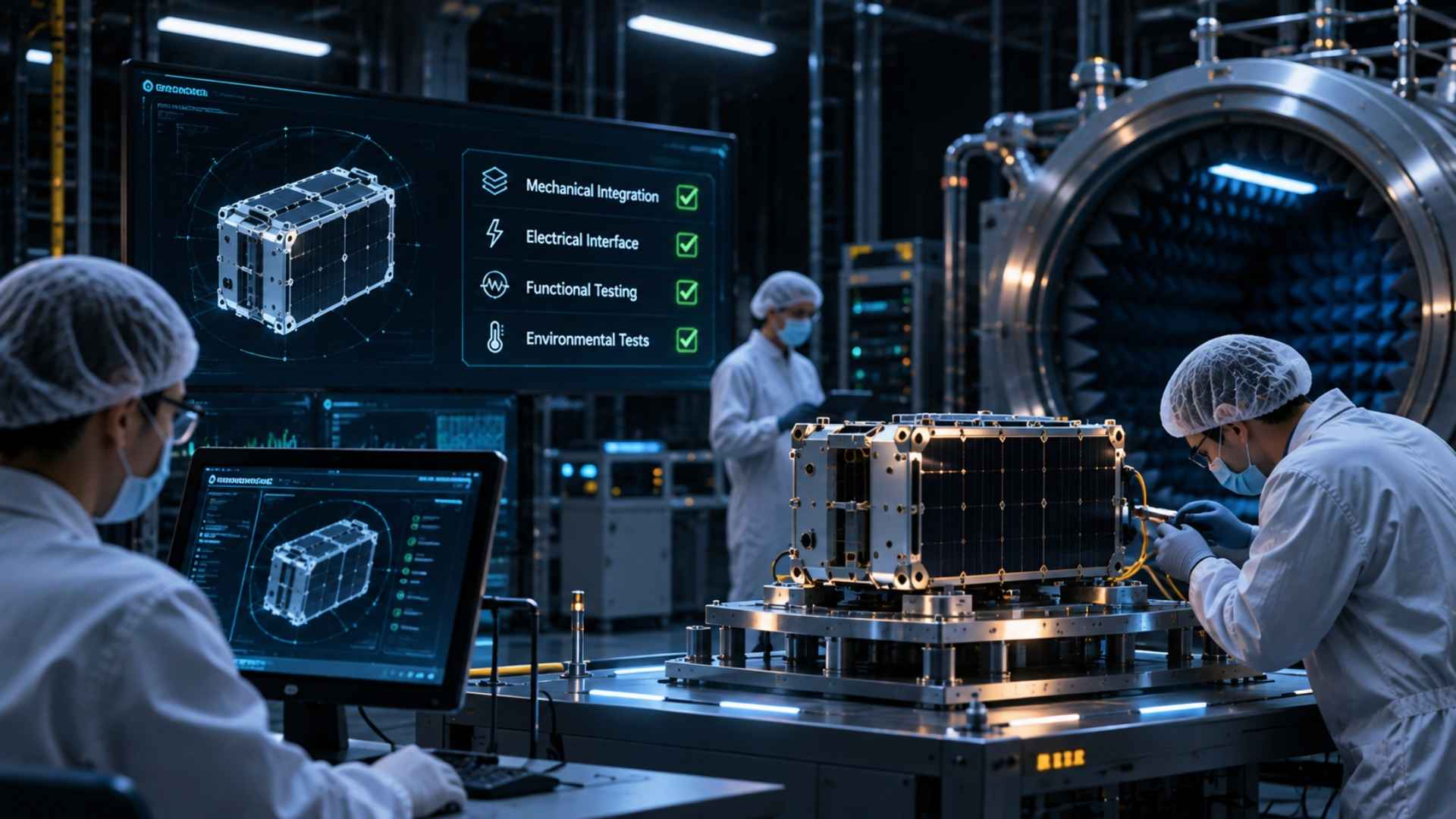
Use an established spacecraft platform and integration pathway to reduce the development work involved in deploying your hardware in orbit.
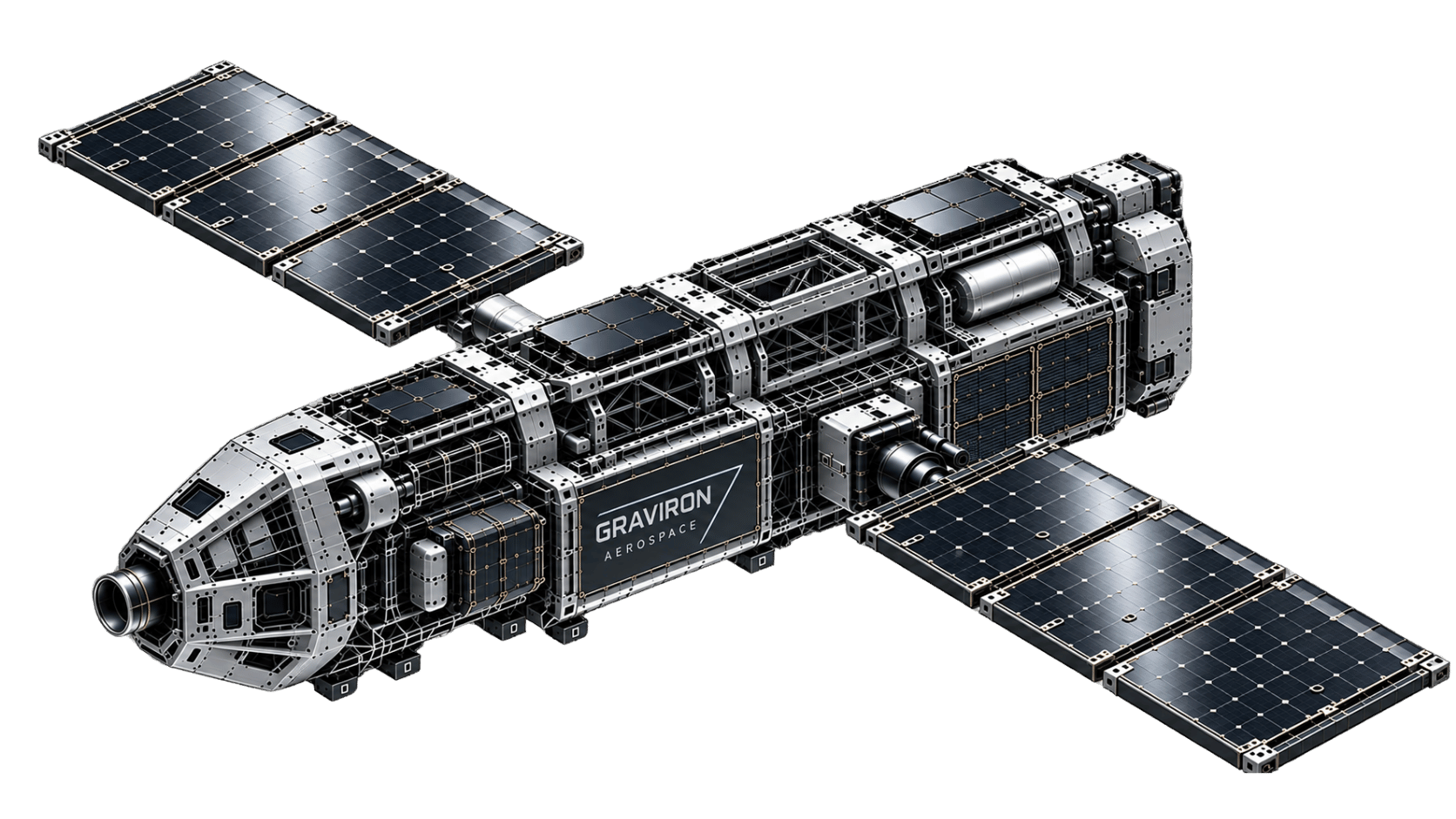
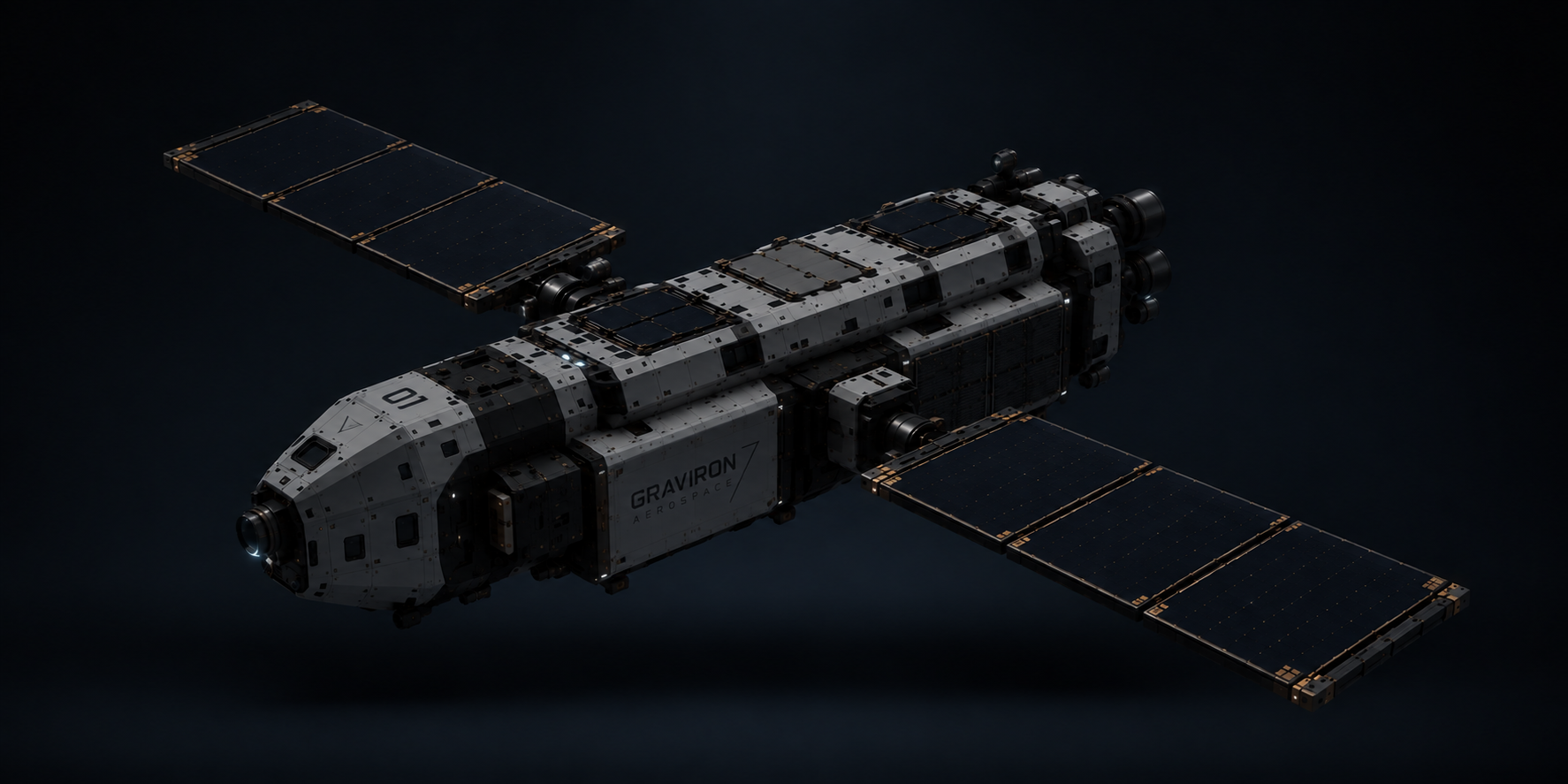
Designed for Your Payload.
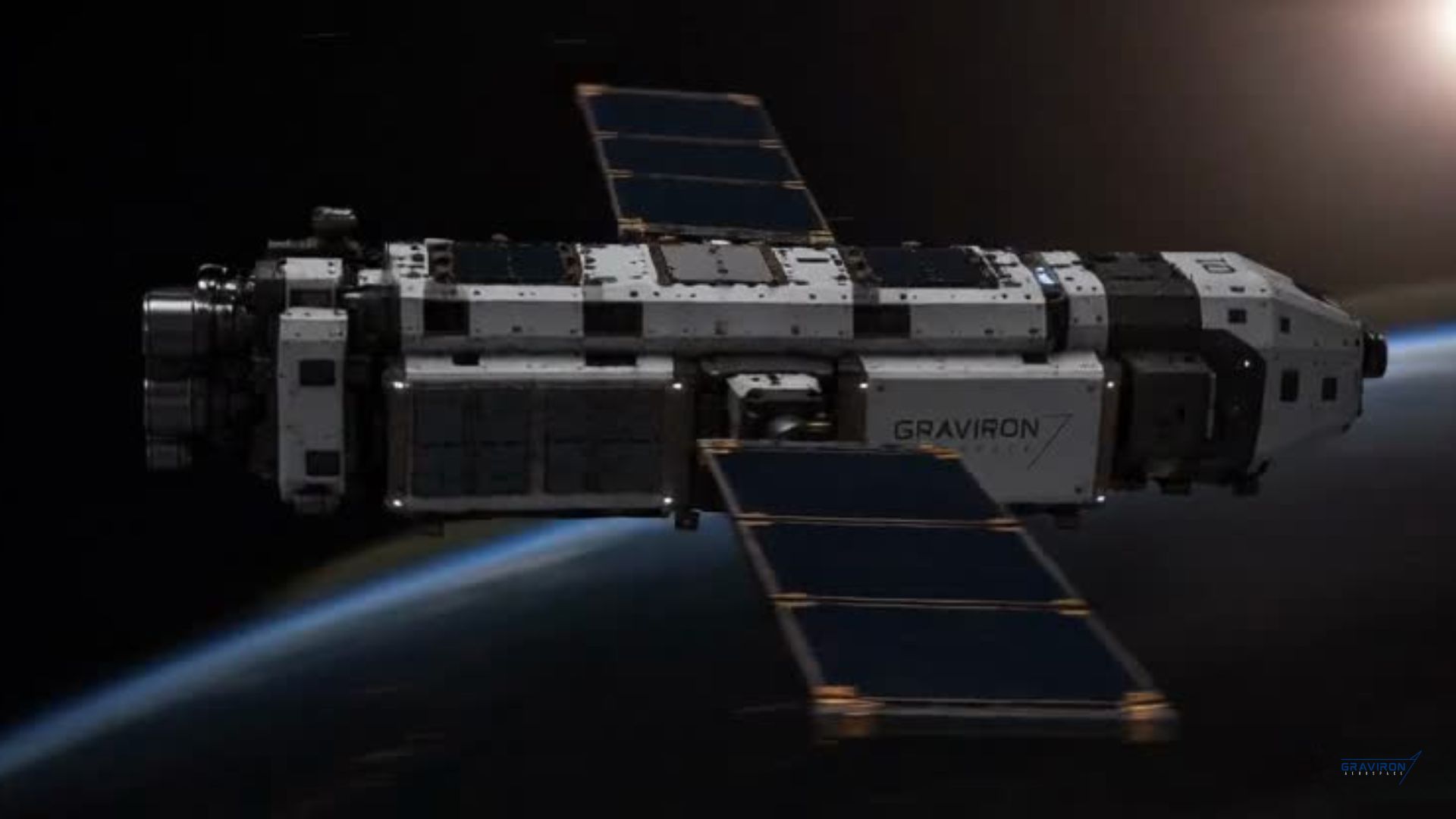
Orbit Keeper 01 Vector is being developed with standardized payload positions and defined resource allocations, allowing multiple customer payloads to operate aboard a shared spacecraft platform.
Orbital Configuration
500 km Reference Altitude | Sun-Synchronous Orbit
Orbit type: Circular Sun-Synchronous Orbit (SSO)
Reference inclination: 97.4°
Orbital period: Approximately 94.6 minutes
Orbital frequency: Approximately 15.2 revolutions per day
Reference altitude range: 450–600 km under review
Payload Accommodation
10 Positions | 10U–30U Aggregate Volume
Payload capacity: 10 hosted positions
Payload envelope: 1U–3U CubeSat-class per position
Accommodation: Distributed payload mounting locations
Integration: Pre-launch spacecraft integration
Interface architecture: Standardized payload interfaces in development
Electrical Power
5–10 W Average | 10–20 W Peak per Position
Average payload power allocation: 5–10 W per position
Peak payload power allocation: 10–20 W per position
Operating mode: Duty-cycle limited
Resource management: Payload operation within spacecraft power constraints
Data Handling & Storage
10–100 Mbps Peak Input | 1–2 GB per Payload
Peak payload data-input rate: 10–100 Mbps
Onboard storage: 1–2 GB partition per payload
Candidate data interfaces: Ethernet or SpaceWire
Data handling: Onboard storage and payload-data management
Interface definition: In development
Communications Architecture
S-Band TT&C | X-Band Payload Downlink
Command and telemetry: S-band baseline
Payload-data downlink: X-band baseline
Ground segment: Graviron ground infrastructure
Data delivery: Target latency of 24–48 hours, pending interface definition
Mission Operations
Hosted Payloads | Orbital Computing
Customer payloads integrated before launch
Payload operation within agreed power, data, and mission constraints
Graviron-owned onboard orbital-computing demonstration
Spacecraft design life: 3-5 years under evaluation
- Customer mission duration:
First orbital mission target: Q2 2028
* Phase A working baseline. Preliminary resource allocations and orbital parameters remain subject to engineering development. Final interfaces and mission requirements will be established through subsequent design reviews.
From Payload to Orbit
From initial assessment to orbital deployment, Graviron's hosted payload process is designed to simplify access to Low Earth Orbit. Customers bring their hardware, while Graviron provides the spacecraft platform and coordinates the integration process.
Submit Your Payload
Share your payload concept, hardware specifications, mission objectives, and operational requirements with the Graviron team.

Assess Compatibility
Graviron evaluates your payload against Orbit Keeper's available volume, power, data, thermal, and interface requirements to determine mission compatibility.
Integration & Testing
Once requirements are agreed upon, your payload is integrated with the spacecraft platform and undergoes the necessary functional and compatibility testing.
Launch & Operations
Your payload travels aboard an Orbit Keeper satellite into orbit, followed by spacecraft commissioning and mission operations according to the agreed mission plan.

Supported Payload Applications
Orbit Keeper satellites are being developed to accommodate compatible customer hardware across a range of commercial, scientific, and technology-development missions. From sensing instruments to communications systems, hosted payloads enable organizations to operate their technologies in Low Earth Orbit without developing an entire spacecraft.
Earth Observation & Remote Sensing
Optical sensors, imaging instruments, environmental monitors, and other hardware designed to collect data about Earth's surface and atmosphere.
Communications Systems
Communication payloads, radio-frequency equipment, antennas, and experimental systems for testing and developing space-based communications technologies.
Scientific Instruments
Compact scientific instruments and sensors for atmospheric research, radiation measurements, space-environment monitoring, and other scientific investigations.
Technology Demonstrations
New spacecraft components, electronic systems, sensors, and experimental hardware requiring in-orbit testing and technology validation.
Put Your Payload in Orbit
Whether you're a university, startup, satellite manufacturer, or commercial space company, If you have a payload, workload, or technology you want to operate in orbit? Talk to Graviron about bringing your mission to Orbit Keeper 01.
Put Your Payload in Orbit
Whether you're a university, startup, satellite manufacturer, or commercial space company, If you have a payload, workload, or technology you want to operate in orbit? Talk to Graviron about bringing your mission to Orbit Keeper 01.
Frequently Asked Questions
Answers to the questions we hear most often from customers, partners, investors, and potential future team members.
What types of payloads can Orbit Keeper accommodate?
Orbit Keeper is being developed to accommodate compatible instruments, sensors, communications hardware, scientific equipment, and technology demonstrations. Payload acceptance depends on its technical requirements and compatibility with the spacecraft.
Do I need to build my own satellite?
No. Graviron’s hosted payload service allows customers to operate compatible hardware aboard Orbit Keeper satellites without independently developing and operating an entire spacecraft.
How is payload compatibility determined?
Each payload is assessed against available accommodation, mass and volume limits, electrical power, thermal requirements, data interfaces, and mission constraints. Final compatibility is determined through a technical assessment.
When can I fly my payload aboard Orbit Keeper?
Graviron is targeting Q2 2028 for the first commercial Orbit Keeper 01 Vector mission. Payload availability, integration schedules, and mission requirements will be evaluated individually.